
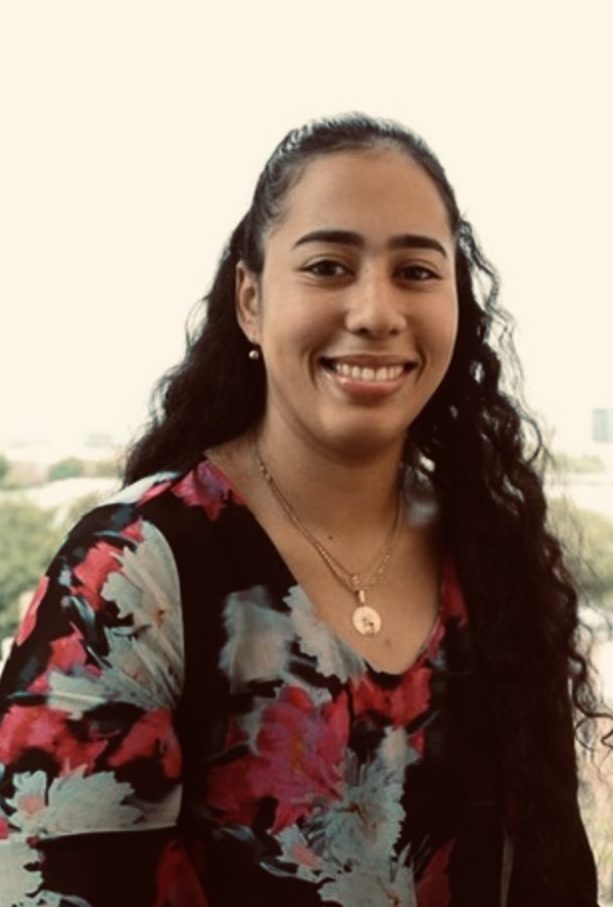

On a cold, crisp December morning, Ana Maria Ruiz limps her way up the stairs to class from the freshman dorms. It may be a short trip on paper but Ruiz has realized that no trip with her boot is a short one. Usually it would take around five minutes to get from Trees to the academic buildings, but with a disability like Ruiz’s it at least doubles every trip.
Ruiz said “it’s definitely harder. I leave my room 20 minutes before class starts just to make sure I have enough time to get up the stairs in a way that doesn’t hurt my ankle.” in response to being asked about how this injury affects her daily routine around campus.
Bentley, like other older campuses in New England, is a patchwork of new and decades old architecture. The school has made efforts to increase accessibility with automatic doors, ramps, and shuttles. The lived experience unfortunately is still full of small frictions that able-bodied students rarely notice.
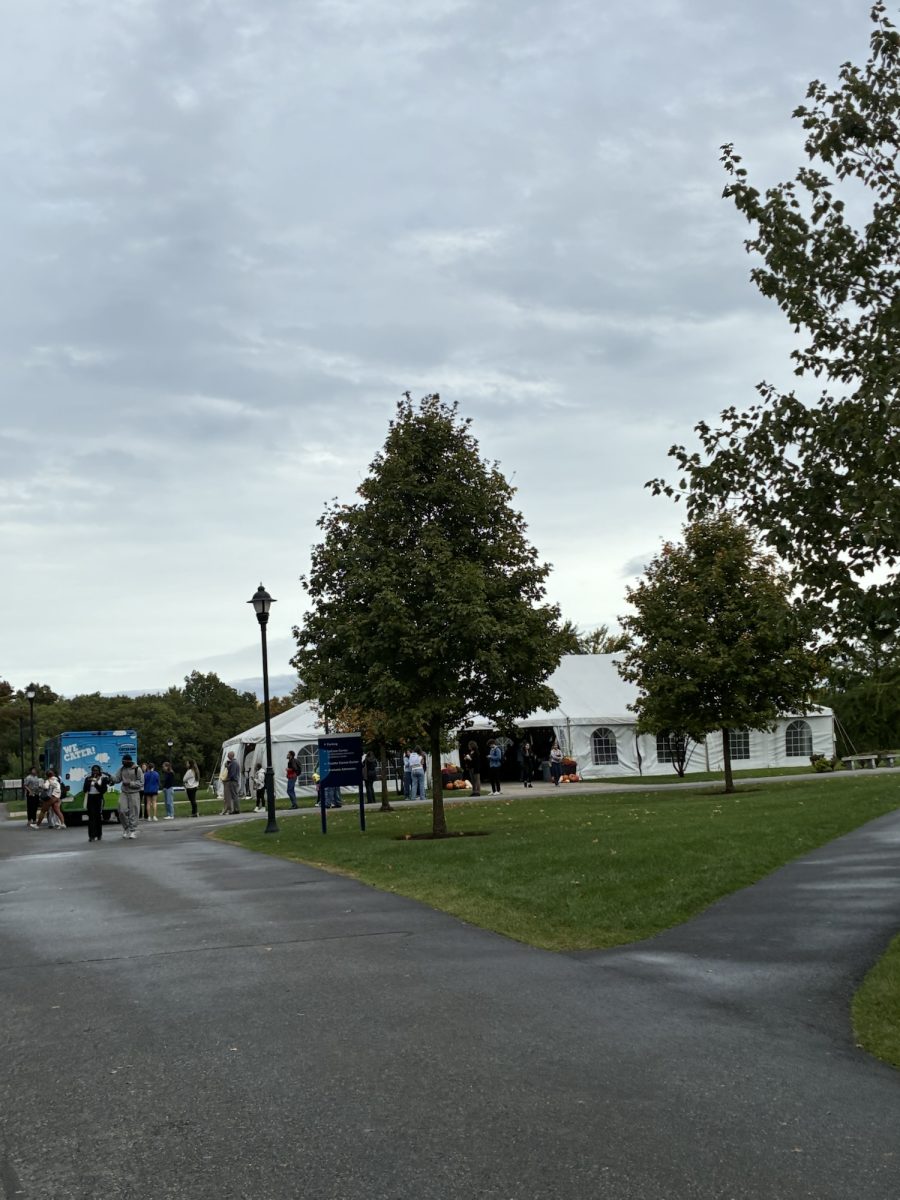
The first challenge usually appears before students even get to class. The campus is carved into a hill, built for scenic sunset admissions photos but turns a routine commute into a workout. Students with disabilities have to plan their days around elevation, with some deciding to avoid the stairs altogether, taking the sidewalk around the side of campus.

“Most days I feel like I am trying to navigate a puzzle that was not built with disabilities in mind,” Lucas Broda said. “It’s not impossible, but it’s definitely more complicated.”
Inside the buildings, not a lot changes, a lot of stairs are still required to get to class. There are some options inside the buildings such as elevators, but they are not conveniently placed inside the buildings.
“Sometimes it feels like the elevators were just thrown in because they had to be. I didn’t even know where the elevators in Smith were until I got injured,” said Broda.
Beyond these physical challenges, the biggest problem is often social. The school’s fast paced culture leaves students with physical disabilities feeling left behind. Groups often meet in upstairs lounges or crowded areas. Friends casually suggest grabbing food without considering mobility challenges.
“It’s not that people don’t care,” said Jake Messinger. “People often don’t think about accessibility on campus until they’re forced to.”
For every obstacle, there are moments of community, a classmate will hold open a door, someone will offer to switch seats to make getting around the classroom easier, or friends who adjust their route without hesitation.
“The last thing I want is for people to feel bad for me,” said Messinger, “I want the school to understand me. I want the campus to be able to work for everyone, not just the majority.”
Navigating Bentley’s campus with a physical disability is an exercise of planning and patience. The hills, stairs, and logistical barriers show that accessibility isn’t just ramps and elevators, it’s about creating an environment where every student can participate fully without extra stress or compromise.
True accessibility is not just built into a campus, it is built into the culture, shaped by awareness, empathy, and the willingness to make inclusion a priority for everyone who walks, wheels, or crutches through Bentley’s paths.